
The European Commission has released a working document calling for international efforts to assess the risks and regulate geo-engineering, a controversial technology aimed at manipulating the climate. Among the mentioned techniques, stratospheric aerosol injection is a topic of debate.
This method involves releasing particles into the atmosphere to reflect sunlight, simulating the effects of volcanic eruptions. Other methods, such as thinning cirrus clouds and deploying sunshades in space, are also being studied.
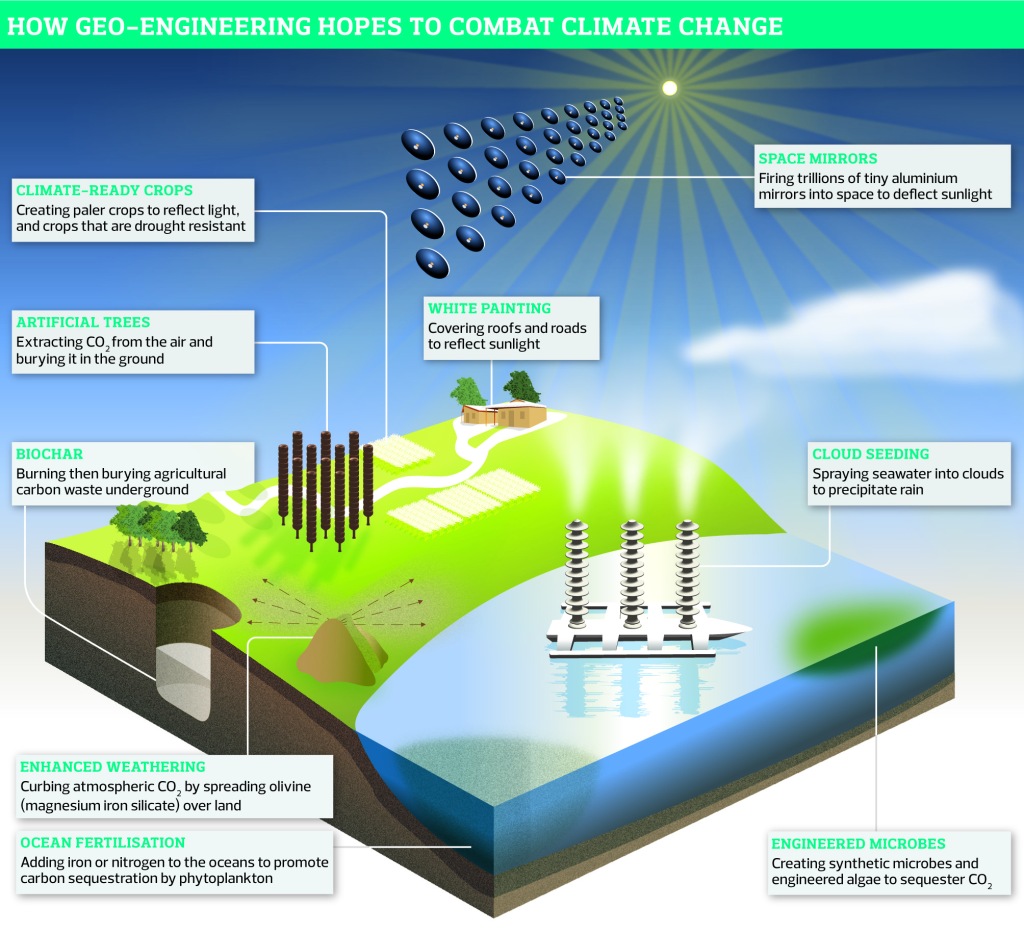
The document highlights growing concerns over humanity’s inability to limit global warming to 1.5°C. Although these geo-engineering technologies are still in the preliminary development stage, they are not regulated. Previous attempts to assess these technologies at the international level have failed.
Experts warn of potential consequences of geo-engineering, including damage to the ozone layer, redistribution of the impacts of climate change on ecosystems, geopolitical tensions, and the risk of a rapid resurgence of global warming if abruptly stopped. They also emphasise that these technologies should not replace global efforts to reduce greenhouse gas emissions.
The need for rapid research in this field is emphasised, but it is also important to ensure that these techniques are not extremely dangerous. Critics regret that the EU document focuses solely on potential risks rather than on limiting the damages caused by escalating climate impacts.
 Green RWA